TCGs (Trading Card Games) now occupy an important place in the world of leisure and collecting.
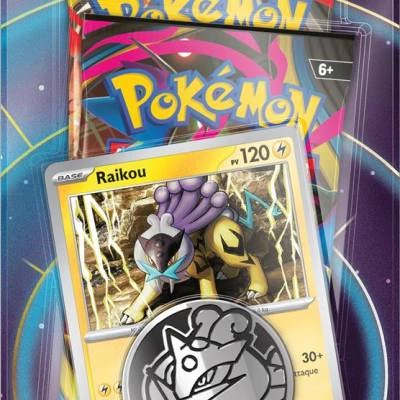
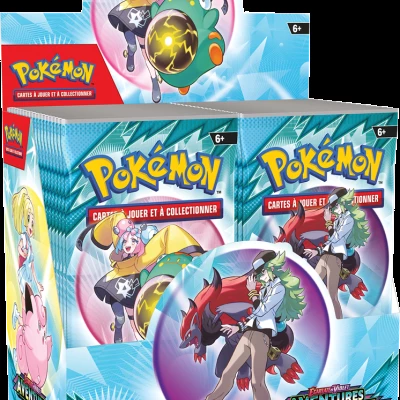
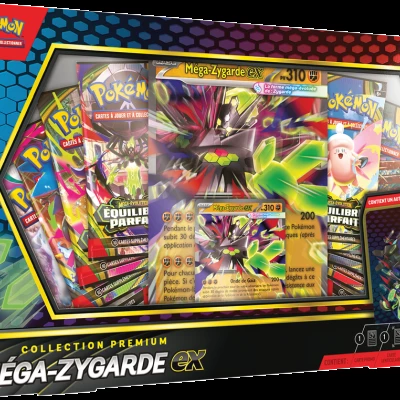
They are based on a simple principle: collecting, trading, and using illustrated cards to build a personal deck.
Each card generally has characteristics,
effects, or powers that influence the course of the game.
The appeal of TCGs lies as much in their strategic dimension as in the pleasure of collecting.
Some players are primarily interested in tournament performance, while others focus on rarity, aesthetics, or the value of certain cards.
Famous franchises such as Pokémon, Yu-Gi-Oh!, and Magic: The Gathering have played a major role in popularizing this world across the globe.
The success of TCGs can also be explained by their ability to create genuine communities of enthusiasts.
Exchanges between collectors, competitions, and the release of new sets help maintain constant excitement.
Each expansion brings its share of new features, original mechanics, and highly sought-after cards.
Some cards even become true collectors’ items, sometimes highly valued on the market.
Their condition, rarity, and demand then play an essential role in determining their value.
Beyond their gaming aspect, TCGs are therefore also a cultural and generational phenomenon.
They combine imagination, strategy, a passion for collecting, and sometimes even investment potential.
For many, they represent a complete hobby that is at once social, competitive, and emotional.
TCGs therefore continue to appeal to both young players and experienced collectors.
 New
New
 New
New
 New
New